Benefits of Heavy-Duty Toolkits in the Workplace
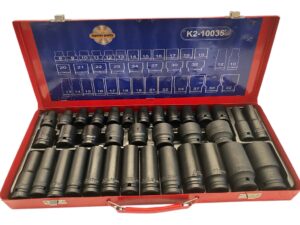
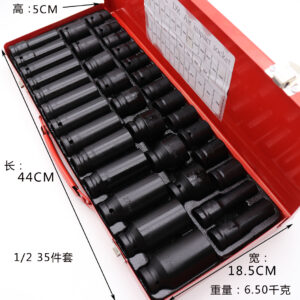
Heavy-duty toolkits are essential assets in various industries, from construction to manufacturing. These comprehensive sets of tools not only enhance productivity but also contribute to a safer and more efficient work environment. Here are some key benefits of incorporating heavy-duty toolkits in the workplace:
1. Increased Efficiency
Heavy-duty toolkits are designed to handle tough tasks with ease. By having the right tools readily available, employees can complete jobs faster and with greater precision. This efficiency reduces downtime and allows for more work to be accomplished within a given timeframe.
2. Enhanced Safety
Using high-quality, heavy-duty tools minimizes the risk of accidents. These tools are built to withstand rigorous use, reducing the likelihood of breakage or malfunction. When workers use reliable equipment, it fosters a safer workplace, as they can perform tasks without worrying about tool failure.
3. Cost-Effectiveness
Investing in heavy-duty toolkits can lead to long-term savings. While the initial investment may be higher, these tools are durable and require less frequent replacement. Additionally, having a complete set of tools can reduce the need for renting or borrowing equipment, further cutting costs.
4. Versatility
Heavy-duty toolkits often come with a wide range of tools suitable for various applications. This versatility means that teams can tackle different projects without needing multiple specialized toolsets. It streamlines operations and allows for a more adaptable workforce.
5. Improved Quality of Work
With the right tools at their disposal, employees can achieve higher quality results. Heavy-duty toolkits typically include precision instruments that allow for more accurate measurements and cuts, leading to superior workmanship and better overall project outcomes.
Conclusion
Incorporating heavy-duty toolkits in the workplace is a strategic move that can lead to numerous benefits, including increased efficiency, enhanced safety, cost savings, versatility, and improved quality of work. Investing in these tools not only aids in completing tasks effectively but also contributes to a positive and productive work environment.